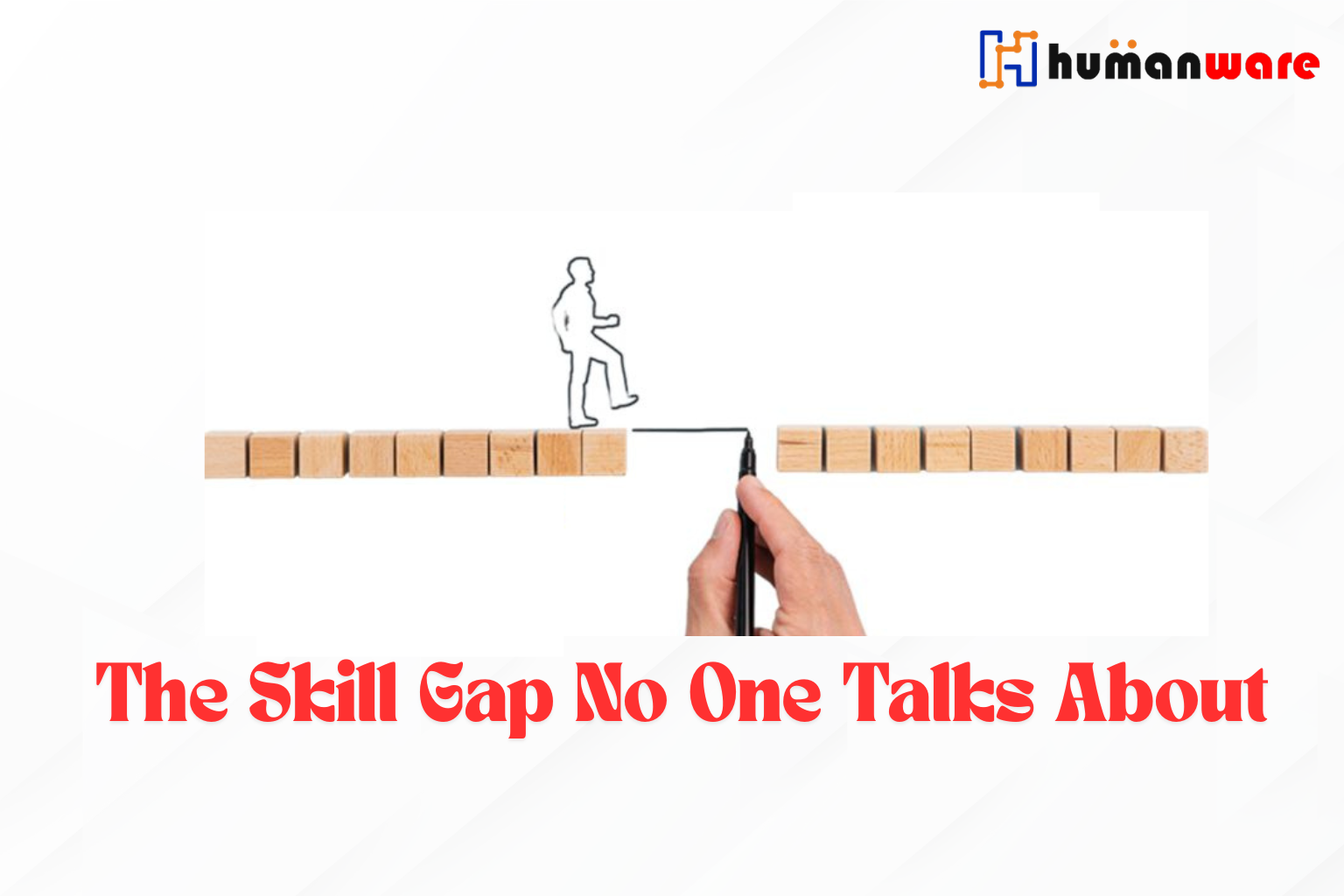
The Skill Gap No One Talks About
We’ve spent years talking about success and building entire workplace strategies around it. We know that people are the most important asset of any organization, and HR professionals are constantly working to build and maintain a strong workplace culture. From wellness programs to flexible schedules, organizations are trying harder than ever to retain employees and create healthier environments.
And yet—burnout remains one of the biggest challenges.
Which raises an important question:What if we’re still missing something?
Organizations are striving to improve their work management systems. Significant investments have been made in better policies, more effective leadership practices, and advanced tools like HR platforms to enhance the employee experience. Companies are redefining their corporate cultures, introducing flexible work schedules, and placing unprecedented priority on employee well-being. At first glance, the modern workplace seems to be heading in the right direction: becoming more welcoming, attentive, and human-centric.
The Missing Piece in the Modern Workplace
The primary focus has been on the actions organizations must take to support their employees, but insufficient attention has been paid to the skills employees need to thrive in this new environment. The modern workplace is no longer predictable or slow-paced. It is dynamic, and often requires constant adaptation. Employees are expected to manage multiple responsibilities, manage pressure, communicate effectively, and be productive while also taking care of their mental and emotional health, and there in lies the real problem. This isn't a problem of technology, policy, or intentions, but rather a lack of essential professional skills. Many professionals are capable of performing their duties, but not necessarily maintaining them. Skills such as energy management, setting boundaries, coping with stress, and maintaining focus are rarely taught, despite being crucial to long-term success. Until organizations and individuals recognize and address this problem, burnout will persist, regardless of advances in work systems.
The Real Skill Gap
We’ve focused heavily on professional development in terms of performance. But we’ve ignored development in terms of sustainability. That’s where the real skill gap lies.
It shows up in everyday work life:
- High performers struggling with burnout
- Employees feeling constantly overwhelmed
- Difficulty setting boundaries despite awareness
- Teams that are productive—but exhausted
This isn’t a motivation issue, It’s a workplace skills gap.
Why HR and Organizations Should Care?
For HR professionals and organizations, the conversation around burnout cannot remain limited to policies, benefits, or surface-level engagement initiatives. While tools like HRMS platforms, flexible work models, and wellness programs play an important role in shaping the employee experience, they often address only one side of the problem. The deeper issue lies in whether employees are truly equipped with the skills needed to navigate the demands of the modern workplace. When this gap is ignored, it begins to reflect in key business outcomes—declining employee engagement, increased absenteeism, reduced productivity, and ultimately, higher employee turnover.
From an organizational perspective, this directly impacts employee retention and overall workplace culture. Employees who feel constantly overwhelmed or unequipped to manage stress are more likely to disengage, even in environments designed to support them. This creates a disconnect where companies invest heavily in creating better workplaces, but still struggle to retain talent. For HR leaders, this is a critical insight: improving systems without strengthening individual capability limits long-term impact.
Addressing this skill gap is not just about employee wellbeing—it is a strategic necessity. Organizations that invest in building human skills such as adaptability, emotional resilience, boundary setting, and focus are better positioned to create sustainable performance. These skills enable employees to not only perform effectively but also maintain their energy and engagement over time. In the long run, this leads to stronger teams, healthier workplace cultures, and more consistent business outcomes.
The Skills That Matter Now
To truly address Skill development and improve employee wellbeing, we need to focus on building core:
1. Energy Management (Beyond Productivity): Managing energy is becoming a critical part of sustainable performance.
2. Boundary Setting: A key driver of employee engagement is clarity and control over work. Knowing when to say “no” is now a professional skill.
3. Emotional Regulation: In high-pressure environments, the ability to manage stress directly impacts both productivity and workplace culture.
4. Focus in a Distracted World: Deep, meaningful work is becoming rare—and valuable. Focus is no longer optional; it’s a competitive advantage.
5. Adaptability: In the future of work, change is constant. Adaptability is what keeps individuals—and organizations—moving forward.
The conversation around burnout is not new—but the way we approach it needs to evolve. Organizations have made meaningful progress by improving policies, investing in HRMS tools, and prioritizing employee wellbeing. These efforts are essential, and they have helped create more supportive and flexible workplaces. However, as the nature of work continues to change, it has become clear that systems alone cannot solve the problem. The missing piece lies in the skills people bring into that system.
Conclusion
The conversation around burnout is not new—but the way we approach it needs to evolve. Organizations have made meaningful progress by improving policies, investing in HRMS tools, and prioritizing employee wellbeing. These efforts are essential, and they have helped create more supportive and flexible workplaces. However, as the nature of work continues to change, it has become clear that systems alone cannot solve the problem. The missing piece lies in the skills people bring into that system.
For organizations and HR leaders, this presents an opportunity. By investing not just in processes but in people’s ability to sustain performance, they can create a more resilient and engaged workforce. And for individuals, it’s a reminder that thriving at work is no longer just about working harder—but about working smarter, with the right skills.